
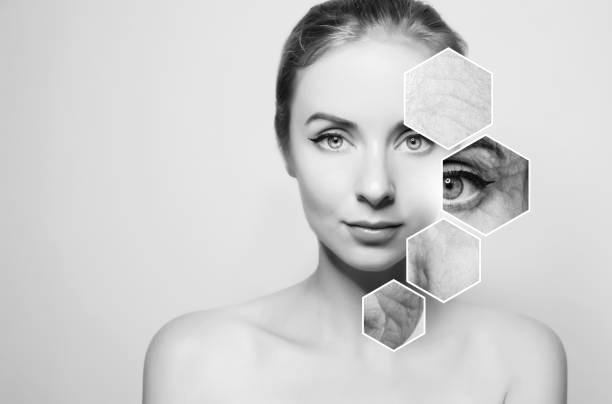
You don’t have to be a scientist to know that sugar is bad for you. But did you know that it can actually cause premature aging of your skin? That’s right: sugar damages your skin through a natural process called glycation, which produces harmful free radicals called advanced glycation end products (AGEs). As AGEs accumulate (the more sugar you eat, the more they develop), they damage the proteins around them.
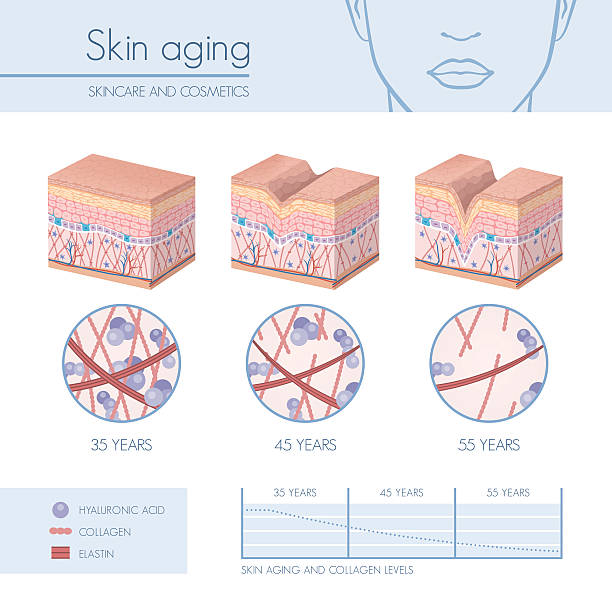
Glycation is a normal metabolic process that occurs as we age. This occurs when excess glucose attaches itself to collagen and elastin, which affects the stability and resilience of these structures. Collagen and elastin are responsible for keeping our skin soft and supple. The affects of glycation can be seen as cross-hatched lines and wrinkles, most commonly around the chin and cheeks.
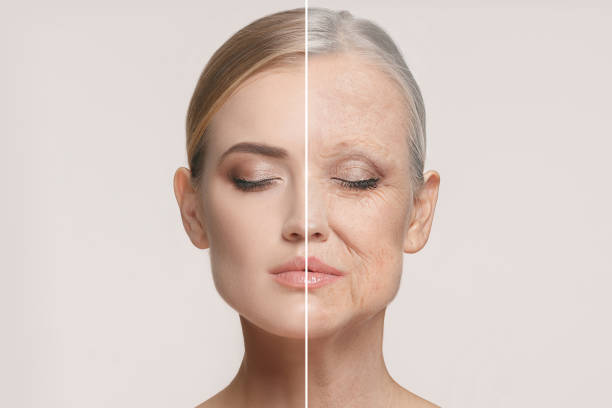
Although glycation is a normal part of the aging process, there are ways to prevent and slow it down:
Increase water intake
Decrease sugar intake (and processed foods)
Get enough sleep each night
Take antioxidants every day—they help protect against free radicals that accelerate aging processes in your body!
Supplement with vitamin C (a powerful antioxidant) daily—it can make
Exercise
Glycation is inevitable, but if you take the necessary precautionary measures, then you can slow down your skin’s aging process. Remember, your anti-aging skin care is a journey. It is crucial to maintain a consistent skincare routine with a combination of treatment modalities and skin care products.
 Guilty Pleasures Aesthetics